
THE ALCHEMY OF GREAT COMPASSION
A personal account centered around the remarkable Buddhist master Fish Guru, as he is known around Kolkata, who bought millions of live fish to release into the sacred Indian river Ganges.
A personal account centered around the remarkable Buddhist master Fish Guru, as he is known around Kolkata, who bought millions of live fish to release into the sacred Indian river Ganges.

We know the Guru’s fierce and unflinching compassion because of the wisdom of Yeshe. She is the keeper of his secrets and the channel for his teachings. These exchanges between Guru and Consort unfold with affection, love, and inviolable trust.

One day, as a man was walking along the beach, he noticed that there was a rock sticking out of the sand. It was an unusual looking rock. There was something about the way the light reflected off it. He could almost see things in it.

A love story, a meeting between student and teacher, between the mindful and the oblivious sides of ourselves. A drama, a play, a slice of life.

I found myself among endless lines of crystal urinals and polished sinks, utterly alone. Or at least something close to it, if you remove the senior citizen janitor’s presence. I unwrapped a small, bleach-white sliver of soap, compliments of last night’s lodging.

The LEVEKUNST Inner Theater presents a Performance Inside Your Mind. You are invited to read and imagine Stravinsky’s music, performers, dance, sets, lighting, stage, theater, its city and world. Here is your free ticket.

In a void, free from space and time, a subtle whisper appeared, or actually a rustle. It rustled so for a while, until it felt uneasy.
– It’s so strange, rustling coming out of nothing – it thought. And to justify its presence it created leaves for itself.

Scheherazade knew a great truth: the telling and the hearing of stories, the exchange of tales and sagas is the deep breath of human life. Listening and telling are the inhalation and exhalation of human experience. We move, each day, on an ocean of stories, tales, jokes, reports elegies, confessions. We are sustained in our lives by unending narratives. It is the air we breathe.

At first she was horrified, doing her best to keep them out by stuffing an old blanket into the crevice beneath the door so that they couldn’t get into her bedroom. But they easily chewed and clawed their way through whatever barrier she put there, until finally she gave up fighting them.
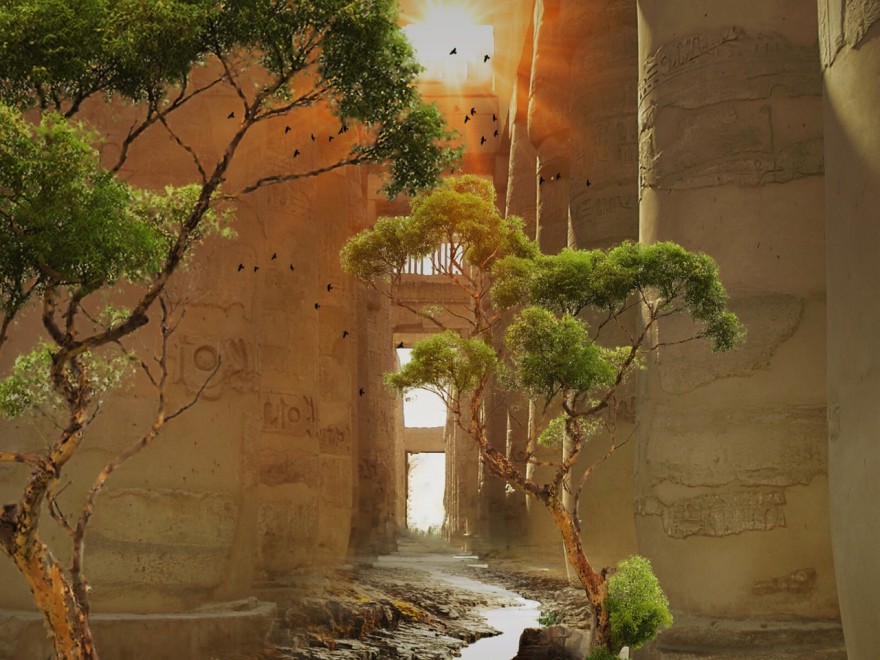
Trungpa Rinpoche gave particular emphasis to four rulers as exemplars of the spontaneous appearance of the Shambhala path: Ashoka Maharaja, Gesar, King of Ling, the third Ming Emperor, Yong Le and Prince Shotoku Taishi who was Regent of Japan. Trungpa Rinpoche referred to these four as the ancestral sovereigns of Shambhala.

They had obviously done this many times before. He fought as hard as he could, hitting and kicking, and screaming curses the whole time. But there were four of them, and his body though tall and imposing no longer had enough strength. In the end, they wore him down, lying on top of him on the dusty floor.

I am a goddess, I have a female form but my essence is beyond form. I am peaceful but also wrathful because I play with everything. I must go into all places to pour life there. You will find me in the grass, the flowers, the trees, all the green is my shine.
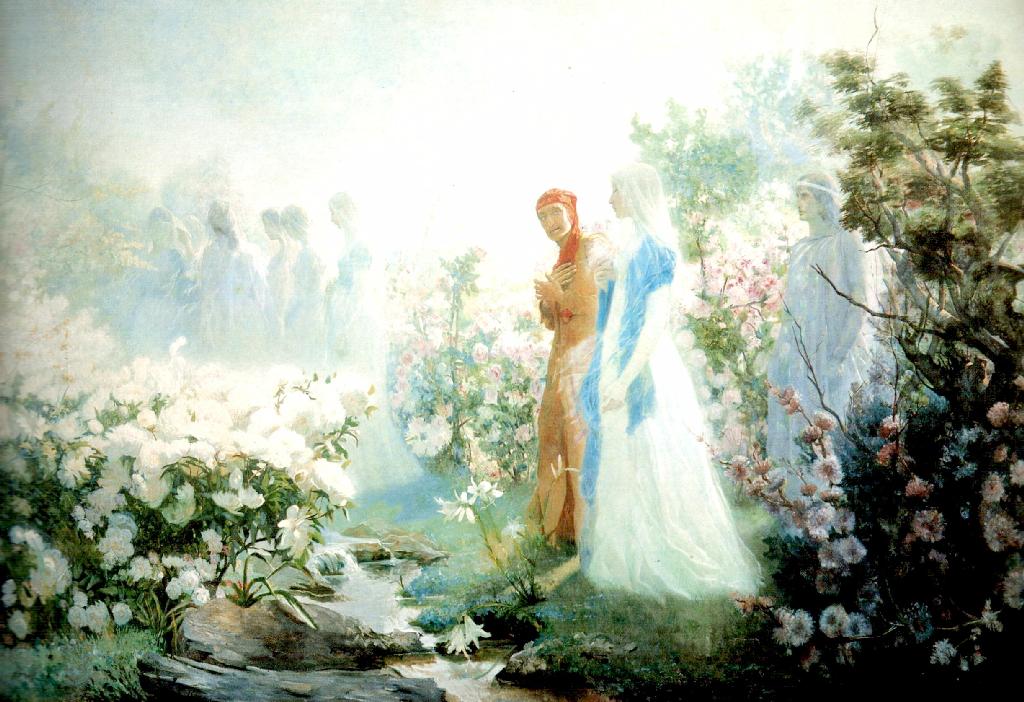
The stories and legends presented in the Shambhala tradition are not myths as such since we only refer to such material as myth when they no longer have any accepted credence. Rather, the stories of the four ancestral sovereigns are closer to the epic tradition.

We extend our sympathies far beyond the constraints of our time and place and individuality. Out of solitude and love, the deep bond of our sheer humanness brings us worlds.

The vision of Shambhala is not a vision of something seen, but rather a way of seeing and perceiving and acting in the context of the phenomenal world. The Kingdom of Shambhala is an innate and spontaneous longing to realize the freedom of the awakened state within the context of our existing social life.
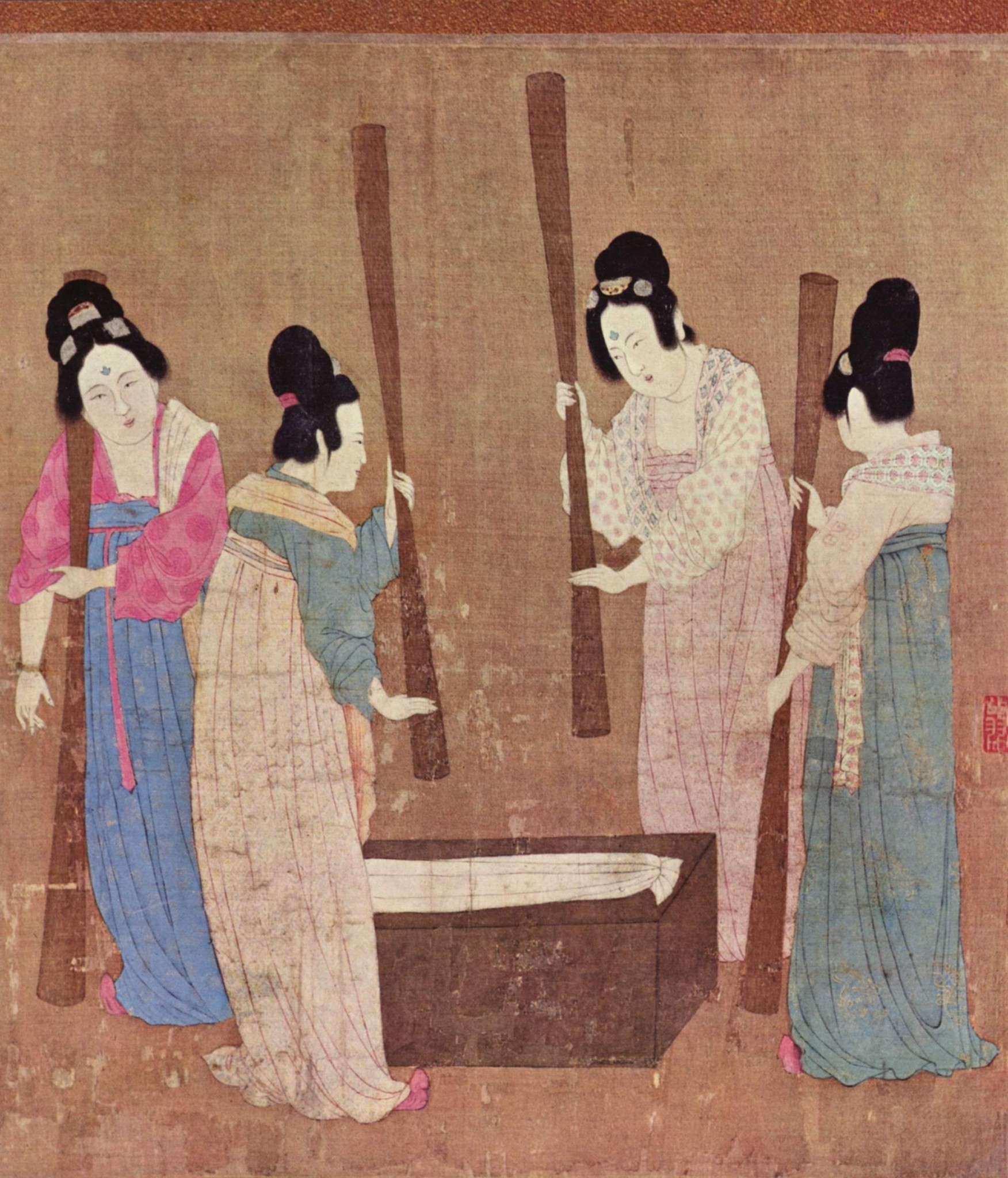
This was fate, for several past lives ago, the Reverend Lo had, out of sheer curiosity, played hooky from his relentless line of virtuous incarnations and had ended up as the Little Ha-to be’s long ago German husband.

Douglas J. Penick’s mini-novel begins with: Little Ha was, of course, herself the incarnation of an innumerable succession of beings. She had lived as a number of low ranking deities, the most distinguished of which was a river goddess near Nanjing whose shrine was ground to powder by the Red guards.