Skip to content

TRAINING

THE BLOOMING FLOWER

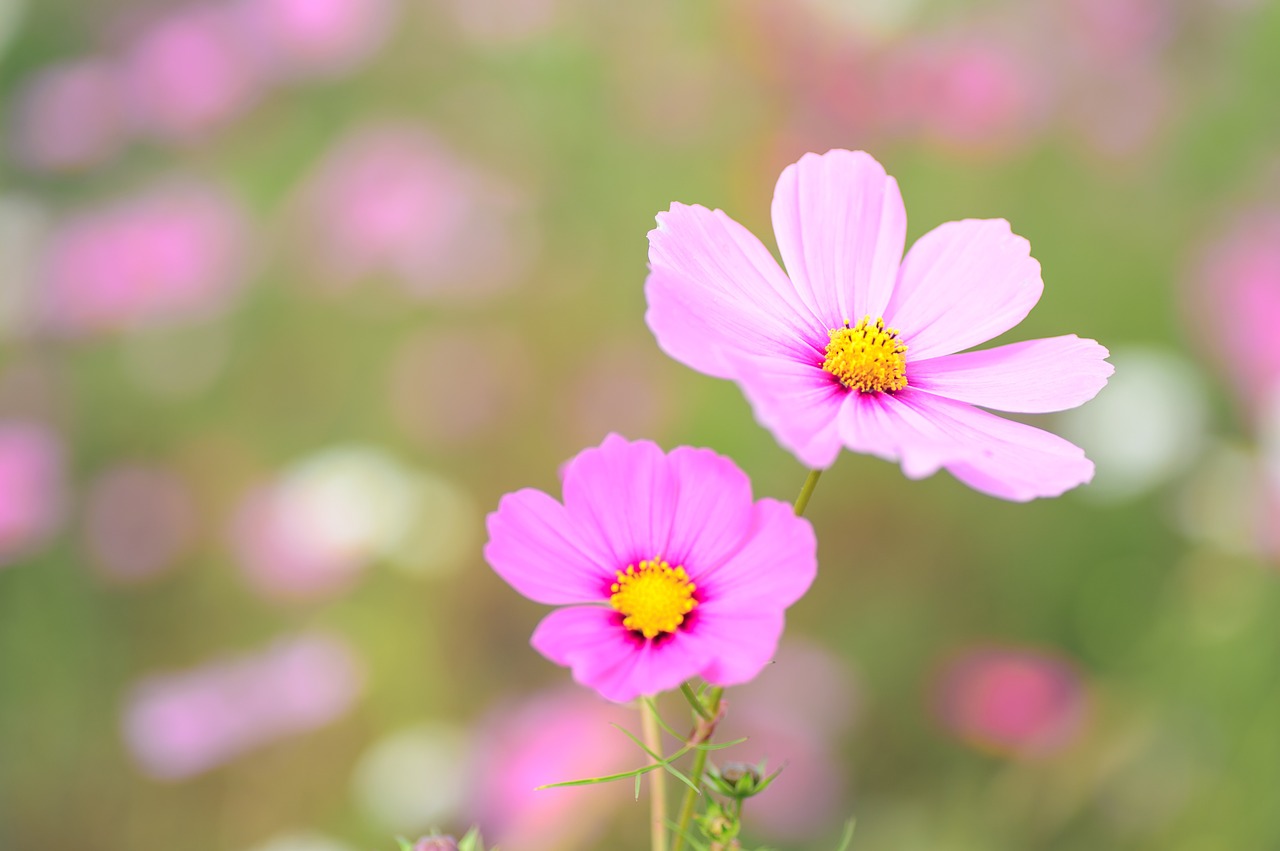
Our spiritual practice is like a blooming flower. Often as practitioners we want to quickly have spiritual experiences because we think that that is the real key to it all. But if we have this kind of attitude when we practice, we are in a hurry. And by being in a hurry, we can miss the whole point.

ABOUT COMPASSION

Compassion is one of the core values ​​and ideals of the Buddhist practice. However, as seeing it as an ideal, it becomes easy to overlook the difficult circumstances in which it arises. Compassion does not appear as something abstract. It arises when we are in a direct contact with real suffering, being enough to move and touch us, through our own suffering or the suffering of others.

COMPASSION, CLEARITY & ENERGY

As soon as we switch on the light, the room becomes bright and therefore we can find what we are looking for more easily. This is the same with our innate light which emanates from our true identity. This light gives us clarity, not just clarity on how to live a healthy life, but also clarity on how to be compassionate to ourselves and others.

RESTING IN BIG LOVE

Big love is our essence, our natural identity. But due to our upbringing, our fears, attachments, you name it, we cover it up. Big love is like a great bright light which flows into all directions; it is like the sun and moon together.

ABOUT LOVE

Love understands the other. It is bonded by what we have to offer, not by what we have to gain. It is said that, as we develop the mastery of the natural potential of our mind, we will have much more to offer others and to the world. There is richness in a relationship when there is trust and joy in sharing the good things.

FLOWING WELL OF COMPASSION

Often in our normal daily life, we find it very hard to be compassionate to ourselves, let alone others. One of the reasons we find this so hard to do is because our mind, body and energy are like frozen water, frozen with jealousy, fear, worry, anger and ignorance.

INNER LUMINOSITY

Often we look for healing outside of ourselves, for someone who can fix us or heal us. But in looking outside of ourselves, we give our own inner healing power away, leaving us unempowered instead of empowered. In essence, we can only heal ourselves; no one can do that for us, not even a Buddha. Someone can show us the way or can be a facilitator, but we still have to do the hard work ourselves.

MEDITATING MORE THAN AN HOUR

If you are meditating to go beyond mindfulness, seeking insights, vipassana, then I recommend sitting for more than an hour because your mind needs time to let go, and then the really interesting things start.

HOW TO RECEIVE

When a woman receives, at that very moment it becomes part of her. Just as the child is received, it’s not foreign or alien. It is part of her being and she nourishes it. It has been absorbed. Nothing is added on. It’s part of the feminine body. Now, she is a creator and slowly the child grows within.

THE OPEN HAND OF ACCEPTANCE

Accepting ourselves is like placing ourselves and our issues in an open hand, the open hand of acceptance. For example, when we have a disease, we often fight with it and this creates worry, fear, and anger; this kind of fighting is a struggle between us and the disease.

TARA’S TRIPLE EXCELLENCE

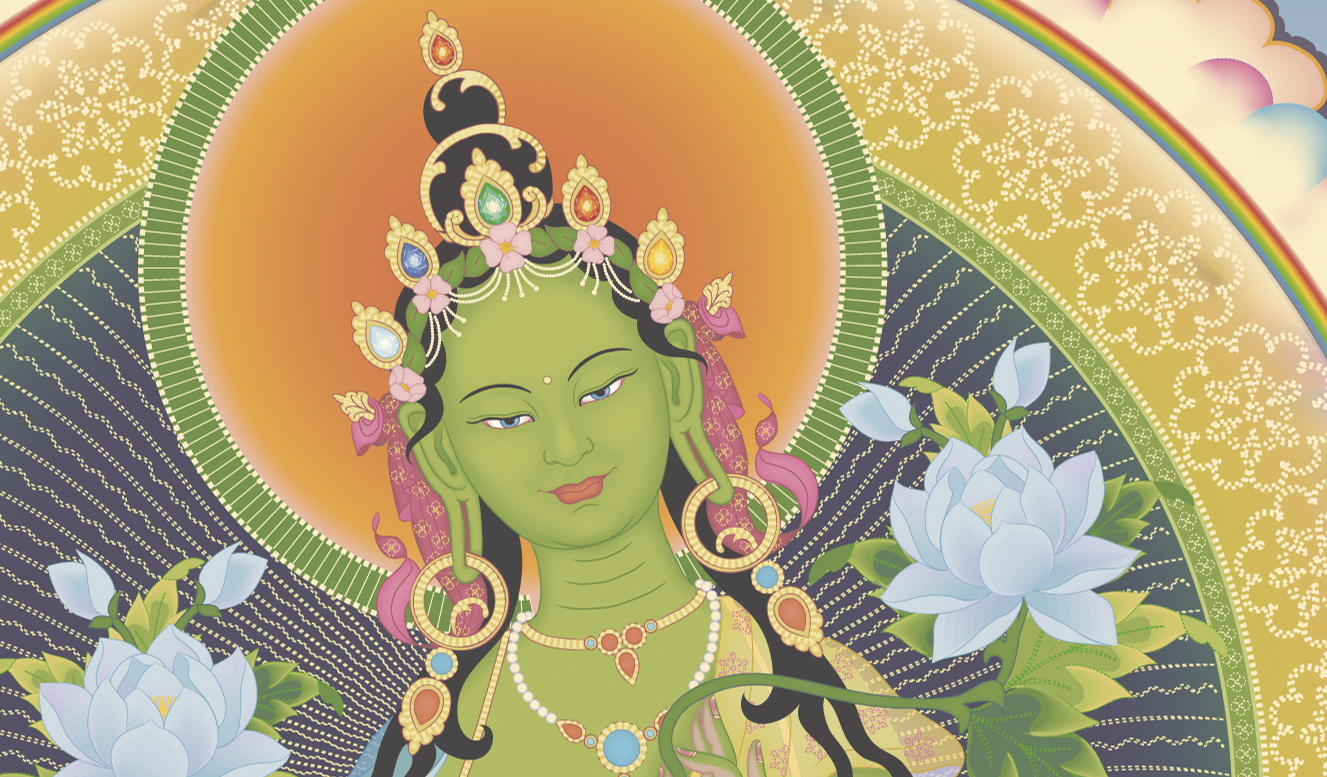
I have heard my teacher say that in the same way a summer rain will bring forth countless mushrooms in a meadow, the mind-training and meditation practices of Tibet brought forth an uncountable number of masters who awakened to their own potential. These masters attained a degree of fulfillment and insight in their lives that far surpasses anything we can imagine.

6 THINGS TO AVOID IN MEDITATION

Inventing a personal version of how our spiritual nature is, reality, oneness, non-duality, like making a wedding cake, being so proud of my enlightened ideas. It’s a trip, it’s absurd, and it’s ultimately wasted efforts.

VISUALIZATION

Visualization is powerful technique we can use to transform our mind and experience. To visualize is to imagine and create images in the mind.

MISTAKEN COMPASSION

Even with the best of intentions to generate compassion, there are ways we go astray by deluding ourselves. This becomes apparent when, instead of feeling nurtured by offering compassion in thought or deed, we are left with the bitter taste of negative emotion.

ENTRAINMENT

Direct experience cannot be expressed intellectually; we cannot point out to someone what is indescribable: their true identity. Yet the teacher can facilitate the space in which the student can rediscover this in a direct experience, without words or symbolic language.

THE FEAR OF DYING

Although we can acknowledge that all which exists are in an eternal process of change, we can still get overwhelmed by the fear of losing life and the need to say goodbye to people we love and those who have been an important part in our life by making it precious.